


The Best Plant-Based Protein Sources 2025: Healthy and Sustainable
Plant-based proteins are becoming more and more important in our diets. They are healthy and environmentally friendly. In this article we show you the best plant-based protein sources for 2025 and how you can build them into your everyday life. We look at classic sources as well as new products that deliver plenty of protein in a sustainable way.
Best plant-based protein sources 2025
- Pulses: lentils, beans and chickpeas are rich in protein and fibre
- Nuts and seeds: pumpkin seeds, almonds and sesame provide healthy fats and protein
- Grains and pseudo-grains: quinoa, oats and amaranth are valuable protein sources
- Plant-based protein powders: concentrates from pea, rice or hemp for athletes
- Superfoods: moringa and other nutrient-rich plants as a source of protein
- Soya and products made from it, such as tofu or tempeh
- Algae such as spirulina or chlorella as a protein-rich supplement
- Seitan made from wheat protein as a meat-like alternative
- Innovative products such as pea-based meat or mushroom protein
- Combining different plant proteins for the best amino acid profile
Why plant-based proteins matter
Proteins are vital for our bodies. They help build muscle, strengthen our immune system and are involved in many metabolic processes. People used to think that only animal products were good sources of protein. Today we know that plants also provide lots of valuable protein. Research even shows that plant proteins are often easier to digest and that our bodies can absorb the nutrients more easily.


Plant-based proteins have many advantages:
- They are often lower in fat than animal proteins and can help with a calorie-reduced diet
- They contain no cholesterol, which is especially good for people with heart and circulation problems
- They also provide fibre and other important nutrients such as antioxidants and phytochemicals
- Producing them puts less strain on the environment, as they use less water and land and generate fewer greenhouse gases
- They are often cheaper than animal proteins and can make a sustainable diet possible for everyone
- Many plant protein sources are free from common allergens and suit people with food allergies or intolerances
The top plant protein sources
1. Pulses: protein powerhouses
Pulses such as lentils, beans and chickpeas are real protein powerhouses. They contain lots of protein and also provide fibre, vitamins and minerals. Particularly popular are:
- Red lentils: 25g protein per 100g - quick to cook and great for soups and stews
- Chickpeas: 19g protein per 100g - the basis of hummus and a staple of Mediterranean cooking
- Kidney beans: 24g protein per 100g - perfect for chilli sin carne or in salads
- Soya beans: 36g protein per 100g - the most protein-rich pulse and the basis of many meat substitutes
- Peas: 23g protein per 100g - often used for plant-based protein powders
Pulses are very versatile. Try them in salads, soups or as a side dish. Hummus made from chickpeas is also a tasty protein source. Experiment with different ways of cooking and seasoning them. Remember that some pulses need to be soaked and cooked before eating. That makes them easier to digest and prevents bloating.
2. Nuts and seeds: small but mighty
Nuts and seeds are not only rich in protein but also provide healthy fats and plenty of vitamins. They are real nutrient bombs and are easy to build into your daily diet. Among the best protein sources are:

- Pumpkin seeds: 30g protein per 100g - rich in zinc and magnesium, great as a snack or topping
- Almonds: 21g protein per 100g - contain plenty of vitamin E and healthy fats
- Sesame: 18g protein per 100g - a good source of calcium and iron
- Hemp seeds: 32g protein per 100g - contain all the essential amino acids and omega-3 fatty acids
- Chia seeds: 17g protein per 100g - rich in fibre and omega-3 fatty acids
Nuts and seeds make a great snack or topping for muesli and salads. Monte Nativo's white sesame seeds are especially rich in protein and very versatile. You can also turn nuts and seeds into nut milk or use them in homemade energy bars. Keep an eye on portion sizes, though, as nuts and seeds are high in calories.
3. Grains and pseudo-grains: underrated sources of protein
Grains and pseudo-grains also provide a surprising amount of protein. They also contain plenty of complex carbohydrates that keep you full for a long time. Especially recommended are:
- Quinoa: 14g protein per 100g - contains all the essential amino acids and is gluten-free
- Oats: 13g protein per 100g - rich in fibre and beta-glucans, which can lower cholesterol levels
- Amaranth: 13g protein per 100g - gluten-free and rich in minerals such as iron and magnesium
- Buckwheat: 13g protein per 100g - despite its name, not wheat but a gluten-free pseudo-grain
- Wild rice: 15g protein per 100g - contains more protein than ordinary rice and is rich in antioxidants
These grains are not only rich in protein but also contain plenty of fibre and minerals. They work well as a base for muesli, in salads or as a side to vegetable dishes. Try different ways of preparing them, such as boiling, baking or fermenting, to absorb more nutrients and vary the flavour.
4. Plant-based protein powders: practical and effective
For anyone who wants to get more protein quickly and easily, plant-based protein powders are a good choice. They are especially popular with athletes because they can support muscle building. Plant-based protein powders provide a lot of protein in one go and often contain added vitamins and minerals.

Monte Nativo offers high-quality vegan protein powders:
- Chocolate-flavoured vegan protein powder - ideal for chocolate lovers and great for post-workout shakes
- Vanilla-flavoured vegan protein powder - versatile and goes well with fruit
These powders are 100% plant-based, gluten-free and lactose-free. They are great for smoothies, shakes or baking. When choosing protein powders, look for good ingredients and avoid products with artificial additives or too much sugar. Try out different recipes to build protein powder into your diet.
5. Superfoods as protein boosters
Some superfoods are not only rich in vitamins and antioxidants but also provide plenty of protein. They can serve as a natural supplement and often offer a wide range of nutrients. A particularly interesting example is moringa.
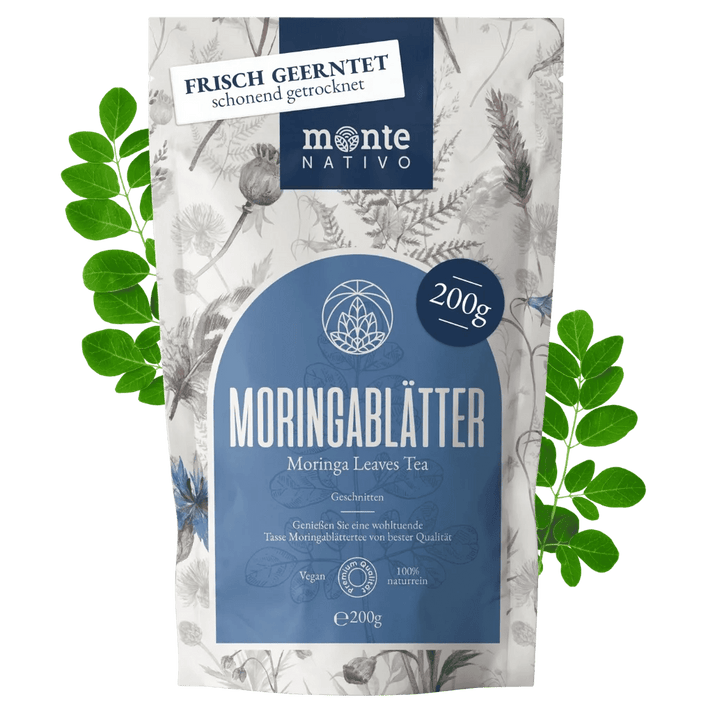
Monte Nativo's moringa powder contains around 25g protein per 100g. It is rich in essential amino acids and also provides lots of vitamins and minerals. You can mix moringa powder into smoothies, yoghurt or muesli. Other protein-rich superfoods are:
- Spirulina: 57g protein per 100g - a blue-green alga with plenty of iron
- Chlorella: 58g protein per 100g - rich in chlorophyll and vitamin B12
- Hemp protein: 50g protein per 100g - contains all the essential amino acids and is easy to digest
- Maca powder: 14g protein per 100g - known for giving energy
Remember that superfoods are often eaten in small amounts. They should be seen as an addition to a balanced diet. Before eating superfoods regularly, find out how much you should take and whether there may be interactions with medication.
How to combine plant proteins the right way
To get all the essential amino acids, it is a good idea to mix different plant protein sources. This is especially important for vegans and vegetarians who do not eat animal protein. Here are a few tips and examples of good combinations:
- Mix pulses with grains, e.g. lentils with rice - that way you get all the amino acids
- Combine nuts and seeds with fruit in a smoothie - that way you get lots of different nutrients
- Add different protein sources such as nuts, seeds and oat flakes to your muesli - that way you start the day with enough protein
- Eat tofu or tempeh together with vegetables and brown rice - a classic Asian combination with plenty of protein
- Make salads with quinoa, chickpeas and pumpkin seeds - a protein-rich meal full of nutrients
- Try wraps with hummus, grilled vegetables and sesame seeds - a tasty, protein-rich combination
You do not need to combine all the amino acids at every meal. If you eat a varied diet over the course of the day, you will usually get all the essential amino acids. Try different combinations and find out what you enjoy most and what makes you feel good.
Plant-based proteins for special diets
Plant-based proteins suit a range of diets and can be adapted to individual needs. Here are some examples:
- Vegan and vegetarian diets: all the sources mentioned are purely plant-based and form the foundation of a balanced vegan or vegetarian diet
- Gluten-free diets: many plant protein sources such as pulses, nuts and quinoa are naturally gluten-free and suitable for people with coeliac disease or gluten intolerance
- Sports nutrition: plant-based protein powders and protein-rich snacks help with muscle building and recovery after training
- Low-carb diets: nuts, seeds and some pulses such as lupins are high in protein and low in carbohydrates
- Allergy sufferers: for people allergic to milk or eggs, plant proteins are a good alternative
- Older people: easily digestible plant proteins such as tofu or protein powder can help meet the higher protein needs of later life
You will find more information on vegan protein sources for athletes in this Monte Nativo blog post. It is important to tailor your diet to you. If you follow a special diet or have health problems, ask a nutritionist or doctor.
Health benefits of plant-based proteins
Eating more plant protein can have many health benefits. Studies show that a diet high in plant protein can lower the risk of various chronic diseases. Here are some of the most important benefits:
- Better heart health thanks to less saturated fat and more of the unsaturated fatty acids found in many plant protein sources
- Help with weight loss thanks to fibre-rich foods that keep you full for a long time and keep blood sugar stable
- Better digestion thanks to the fibre found in many plant protein sources
- An extra supply of vitamins, minerals and antioxidants, which are often plentiful in plant foods
- A possible reduction in the risk of type 2 diabetes, because many plant protein sources do not make blood sugar rise as sharply
- A possible improvement in gut health, because some plant proteins are good for gut bacteria
- A possible anti-inflammatory effect from the phytochemicals found in plant foods
Products such as Monte Nativo's organic rosehip powder can add extra vitamin C and antioxidants to your diet. It is important to know that a balanced diet with lots of different plant protein sources is the best way to benefit from these health advantages.
Sustainability and the environment
Producing plant proteins is often more environmentally friendly than producing animal proteins. There are several reasons for this, and it has a positive effect on our environment:
- Less water use: plant proteins usually need far less water than livestock farming
- Fewer greenhouse gases: plant protein sources often cause only a fraction of the greenhouse gases of animal products
- Less land use: growing plants that we eat directly needs less land than keeping livestock
- Biodiversity: growing a variety of plants can help preserve many different animal and plant species
- Healthy soil: many pulses can enrich the soil with nitrogen and so improve its fertility
- Less overfishing: plant proteins instead of fish can help reduce overfishing of the oceans
By buying organic products such as Monte Nativo's organic turmeric powder, you can also support environmentally friendly farming. Remember, though, that growing plants can also affect the environment, especially if it is not done sustainably. So it is worth choosing regional and seasonal products and checking how and where they were grown.
Conclusion: the future is plant-based
Plant-based proteins are versatile, healthy and good for the environment. With the sources presented here, you can eat a varied, protein-rich diet. Whether pulses, nuts, grains or special protein powders - there are plant protein sources to suit every taste and every diet. The many options make it possible to eat healthily and sustainably while taking both your own needs and the environment into account.
Remember to mix different sources to get all the essential amino acids. With Monte Nativo's products you have great ways to improve your plant protein intake. The mix of traditional foods and new products offers lots of ways to eat tasty, protein-rich plant-based meals.
Try the different sources and find out what fits your life best. Test new recipes and ways of cooking to get the most out of plant proteins. That way you can not only support your health but also do something good for the environment. The future of food is plant-based - are you ready for it? With growing knowledge about the benefits of plant proteins and the constant development of new, innovative products, we are at the start of an exciting time in nutritional science and the food industry.


